

FIELD NOTES: A System-Level Briefing on Access, Risk, and Structural Lock-In
Pre-Construction 24/7 – Arshad Syed
The Question That Replaced “When Will Prices Drop?”
The most unsettling question in real estate today is no longer about timing the market, but whether the market itself has quietly stopped admitting new entrants.

From Ladder to Walled Garden
Housing was once a ladder built on income, discipline, and time; it is increasingly behaving like a walled garden that requires prior ownership to enter.
This is not a moral argument — it is a structural observation about how access now works.

The Inheritance Economy Is No Longer the Exception
In many major cities, first-time buyers are no longer competing with other earners — they are competing with family balance sheets.
Parental equity has quietly become the primary qualifying asset, creating a system where access is inherited rather than earned.

First-Time Buyers Are Disappearing, Not Waiting
As of late 2025 into 2026, first-time buyers represent roughly one-fifth of transactions, far below the historical norm.
This is not pent-up demand — it is attrition.
People are not delaying entry; they are exiting the idea altogether.

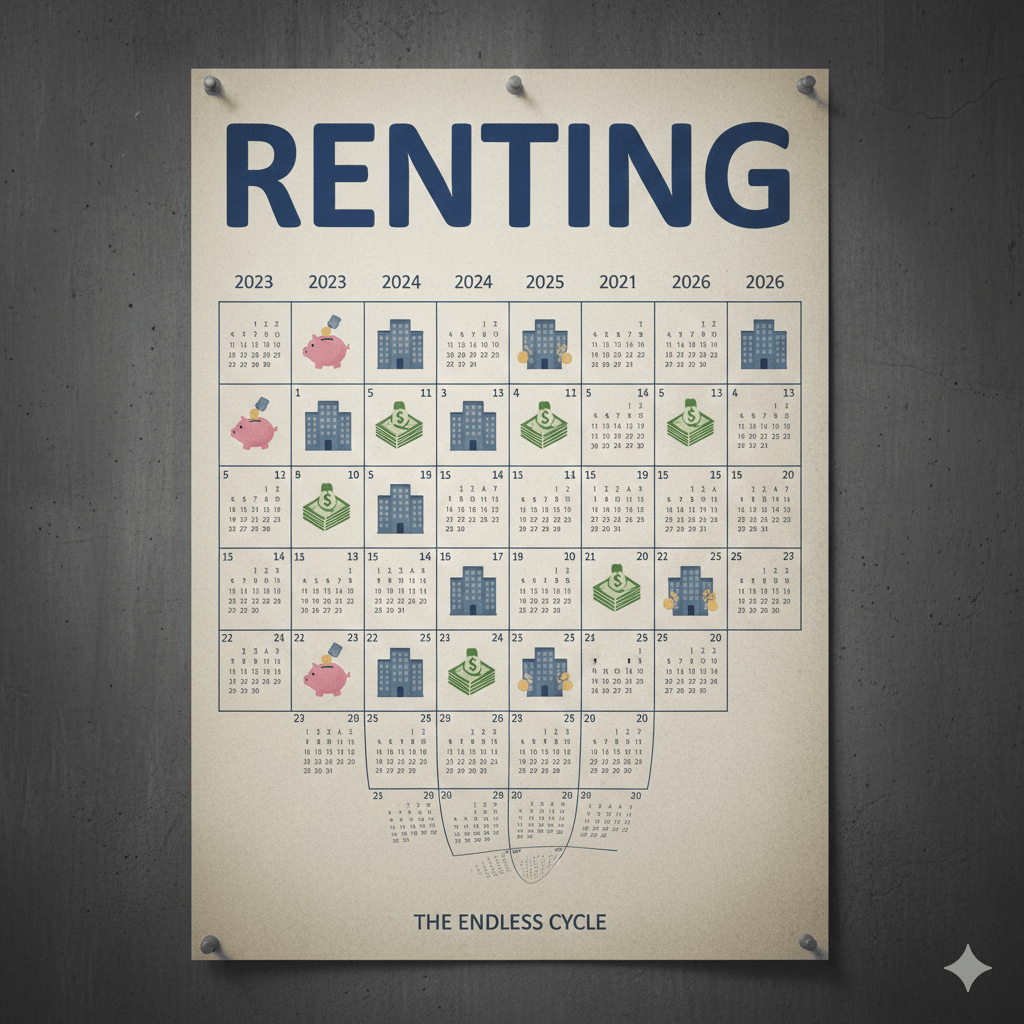
“Forever Renting” Is No Longer a Lifestyle Choice
For a growing segment of the population, renting has shifted from a transitional phase to a permanent condition.
This is not driven by preference, but by arithmetic.
When ownership requires both income and inherited capital, the system quietly selects its participants.
Institutional Capital Has Changed the Rules
Large investors are not buying homes the way individuals do.
They buy at scale, price risk differently, and treat housing as an operating asset — not a milestone.
Every home absorbed into institutional portfolios is one less rung on the ownership ladder.

The Psychological Shift Is the Real Signal
Surveys now show that a majority of non-owners have emotionally disengaged from the idea of ever buying.
This matters more than prices.
Once a population stops planning for ownership, everything from family formation to labor mobility changes.

The Mortgage Renewal Cliff Is Hollowing the Middle
2026 marks the peak renewal year for ultra-low-rate mortgages.
The risk is not mass foreclosure — it is silent compression.
Households redirect income from consumption and savings into interest, shrinking the economic middle without visible crisis.

Climate Risk Is Quietly Redefining “Safe Assets”
In some regions, the most dangerous question is no longer “Can I afford this home?” but “Can this home be insured in ten years?”
Uninsurable property is not an asset — it is stranded capital.
This risk does not appear on listing sheets, but it is reshaping long-term value.

This Is Not About Fairness, It’s About Function
A housing system that only recycles ownership among existing participants stops functioning as a social stabilizer.
It becomes a capital preservation mechanism for the already-inside.
That shift has consequences — economic, demographic, and political — regardless of intent.
What This Means for
The real question for buyers and investors is no longer “Is this a good deal?”
It is:
- Is this system expanding or contracting access?
- Is this asset resilient to financing, insurance, and demographic shifts?
- Am I buying shelter, yield, or optionality?
Clarity beats optimism in closed systems.

Final Perspective
Homeownership has not disappeared — but its role has changed.
It is no longer a universal pathway; it is a gated outcome shaped by prior capital, policy design, and structural constraints.
Understanding that reality is not pessimism.
It is the starting point for rational strategy in a system that no longer behaves the way it once did.

Briefing Notes
This essay is intended as a conceptual reference, not a forecast.
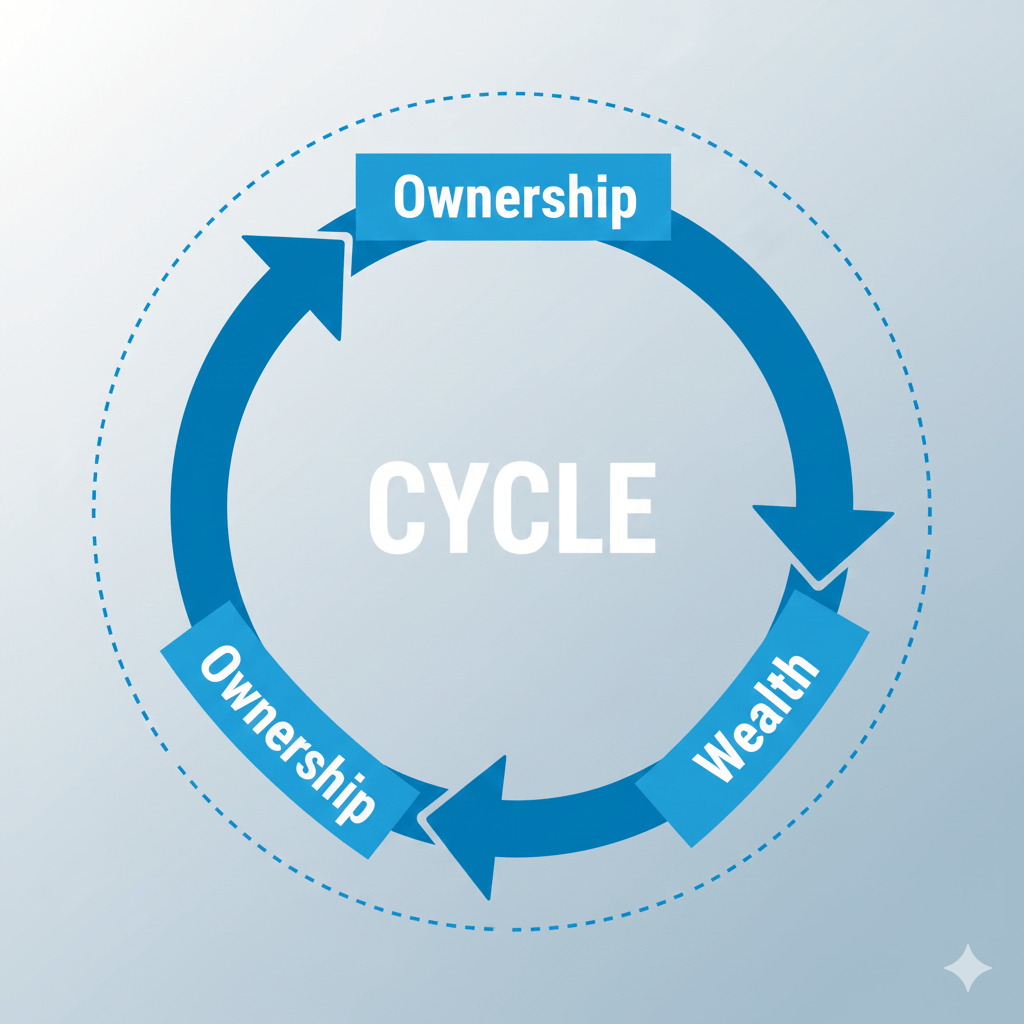
Visuals are explanatory aids only; the argument stands on structure, not sentiment.
Thinking about how housing systems work — not just how they sell.
This observation connects to earlier Field Notes on capital behavior, timing, and structural risk.
Luxury Real Estate and the Limits of Price
Why Project Delays Are Rarely About the Delay
Do your own due diligence—this market rewards the informed and punishes anyone who blindly trusts the hype!
Editorial Note
All content published on Pre-Construction 24/7 reflects market commentary and system-level analysis informed by publicly available data, industry reporting, and observed real estate trends. Content is provided for educational and informational purposes only and does not constitute legal, financial, or investment advice. Individual outcomes vary based on contract terms, lender policies, market conditions, and personal circumstances.