
VISUAL BRIEFING
When Waiting Becomes the Risk
A field note on sellers, psychology, and market structure Pre-Construction 24/7
Written to explain systems, not chase sentiment.
Pre-Construction 24/7
THE WARNING
Selling in 2026 is not about timing the market — it’s about avoiding structural decay.
THE EMOTIONAL TRAP
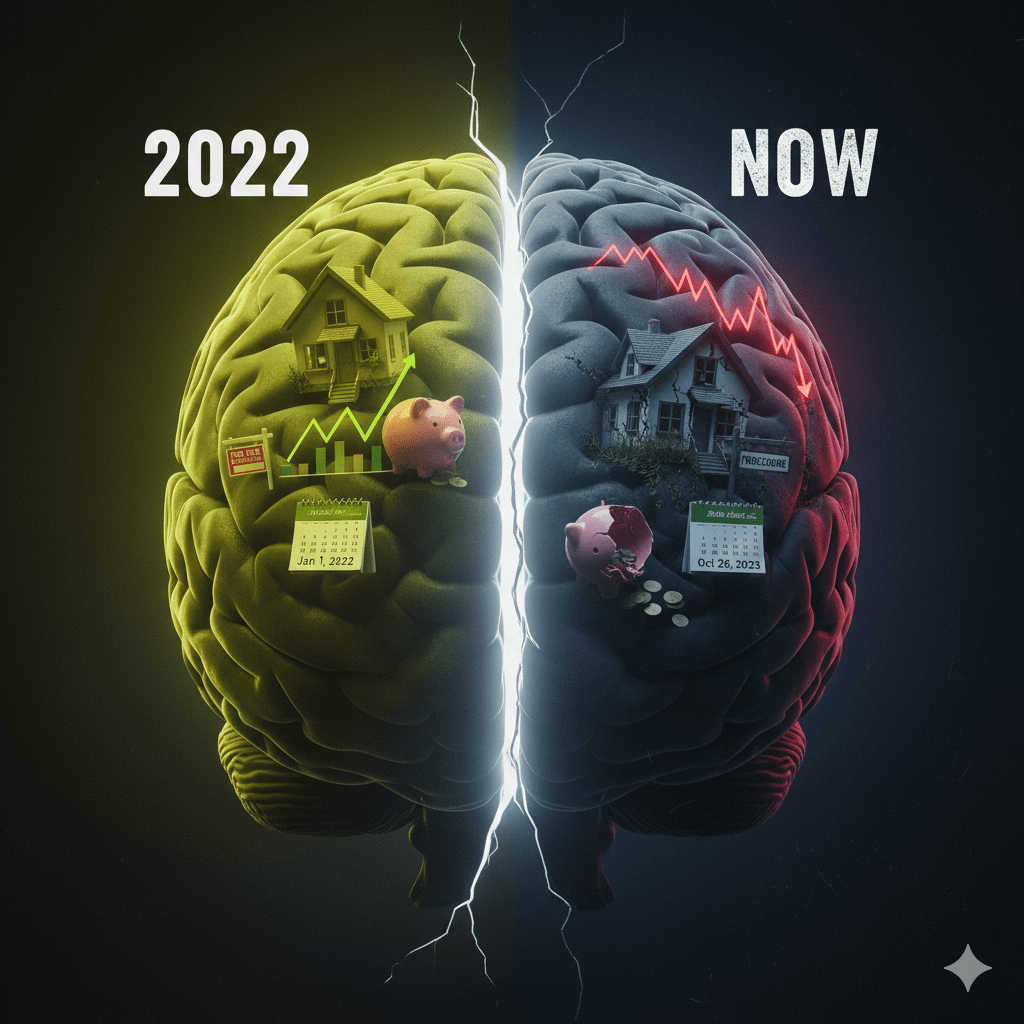
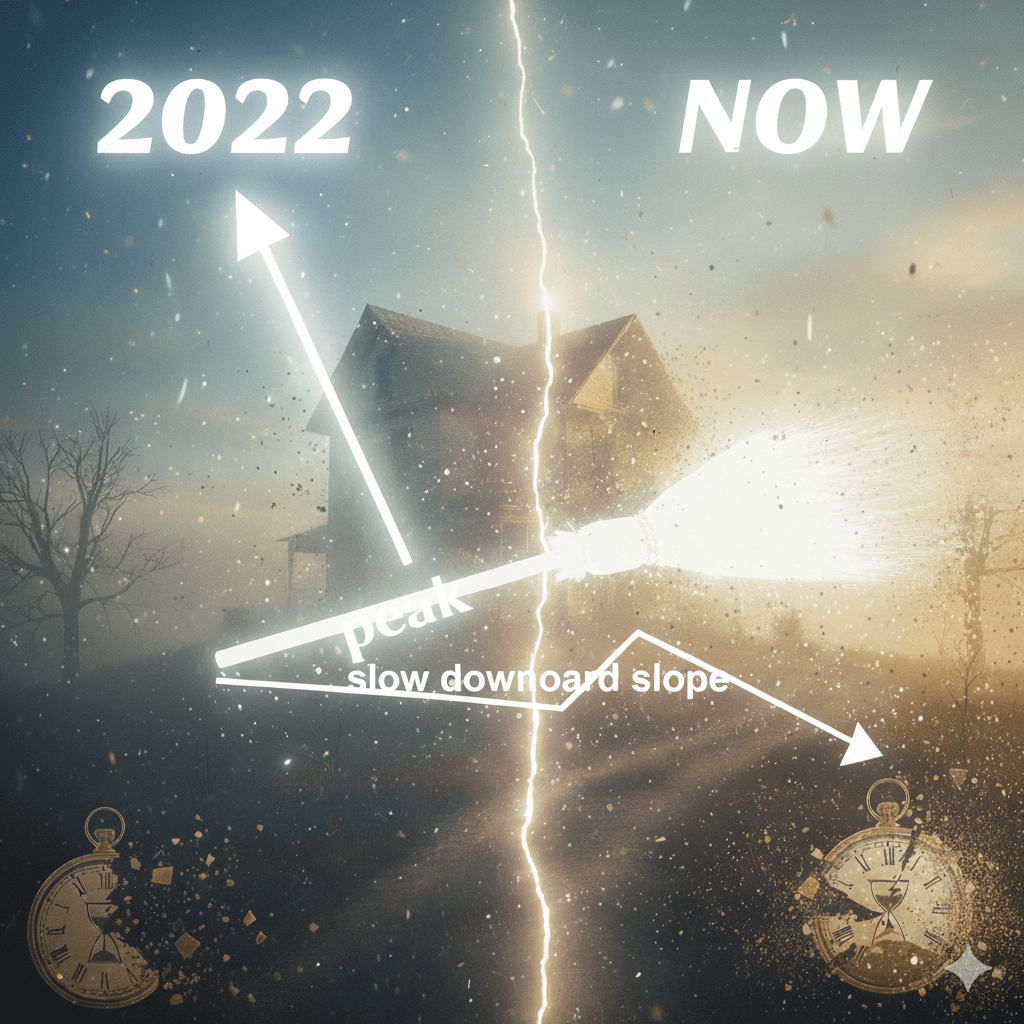
Most sellers aren’t reacting to today’s prices — they’re grieving yesterday’s peak.
THE FALSE COMPARISON
Comparing current offers to peak pricing turns rational decisions into emotional paralysis.
THE REAL SHIFT
The market isn’t punishing bad homes — it’s filtering out mispriced expectations.
THE DATA REALITY
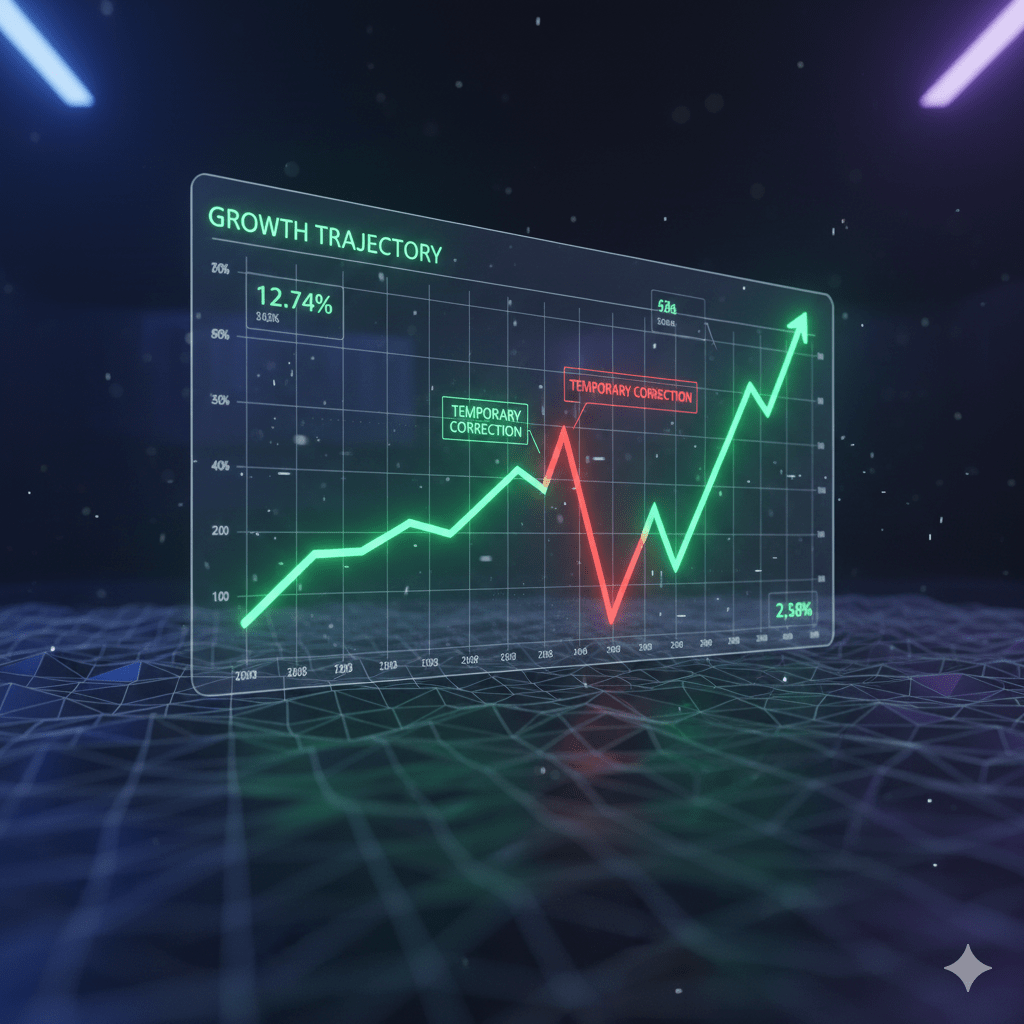
A $200,000 pullback feels dramatic until it’s placed inside a 10-year price curve.
THE MISSED POINT
The risk isn’t what you didn’t sell for — it’s what happens if prices grind lower.
LONG-TERM OWNERS
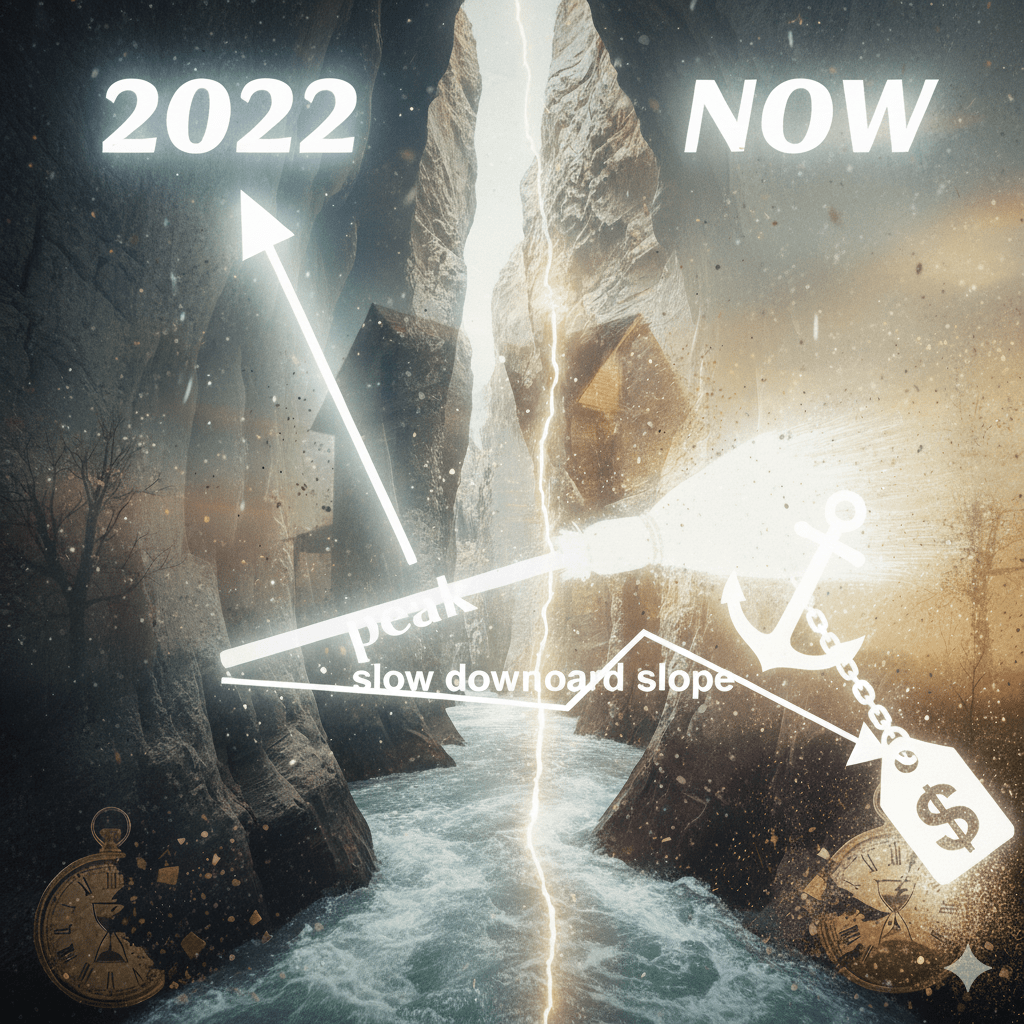
Equity still exists, but leverage disappears when sellers anchor to obsolete numbers.

THE QUIET EROSION
Markets don’t need to crash to damage outcomes — they only need time.
RECENT BUYERS
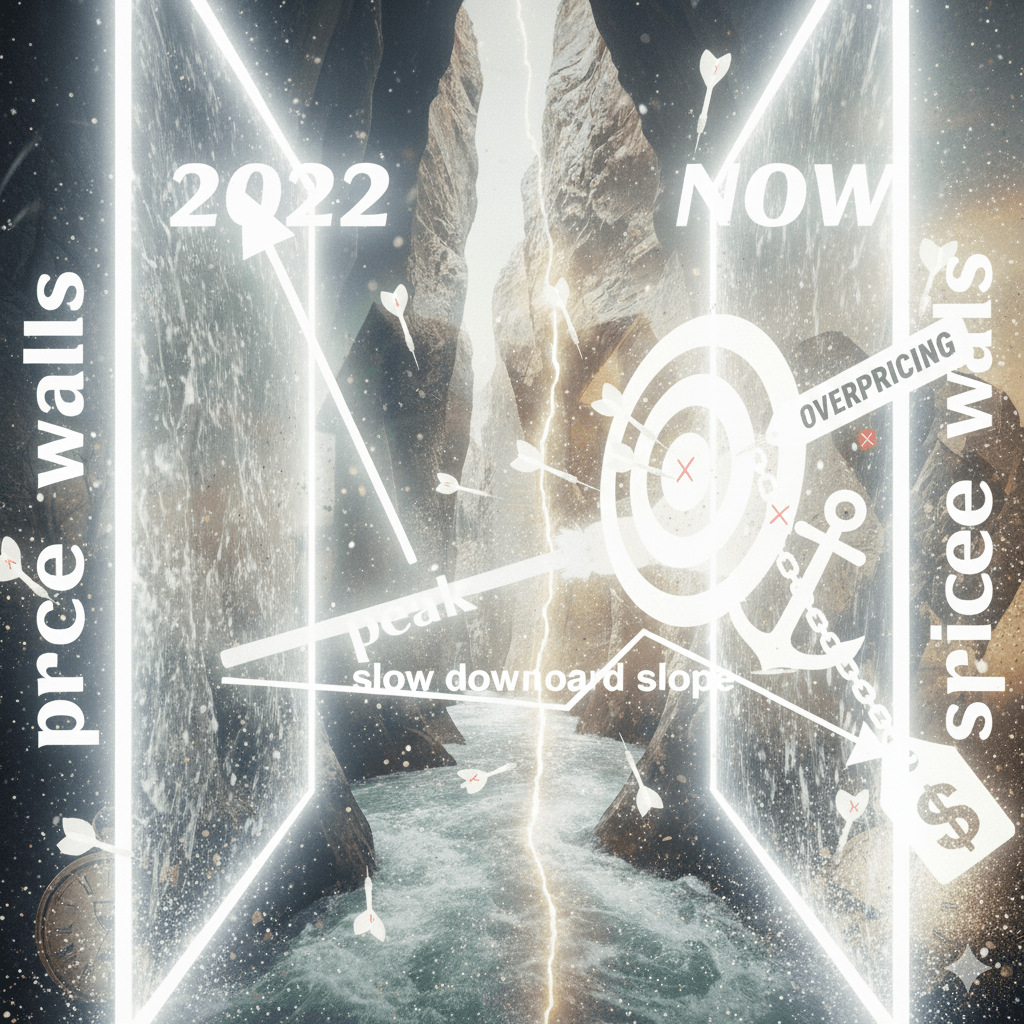
Peak-era buyers don’t lack value — they lack negotiating room.

HOPE PRICING
Overpricing is no longer confidence — it’s a signal of denial.
THE INVENTORY SIGNAL
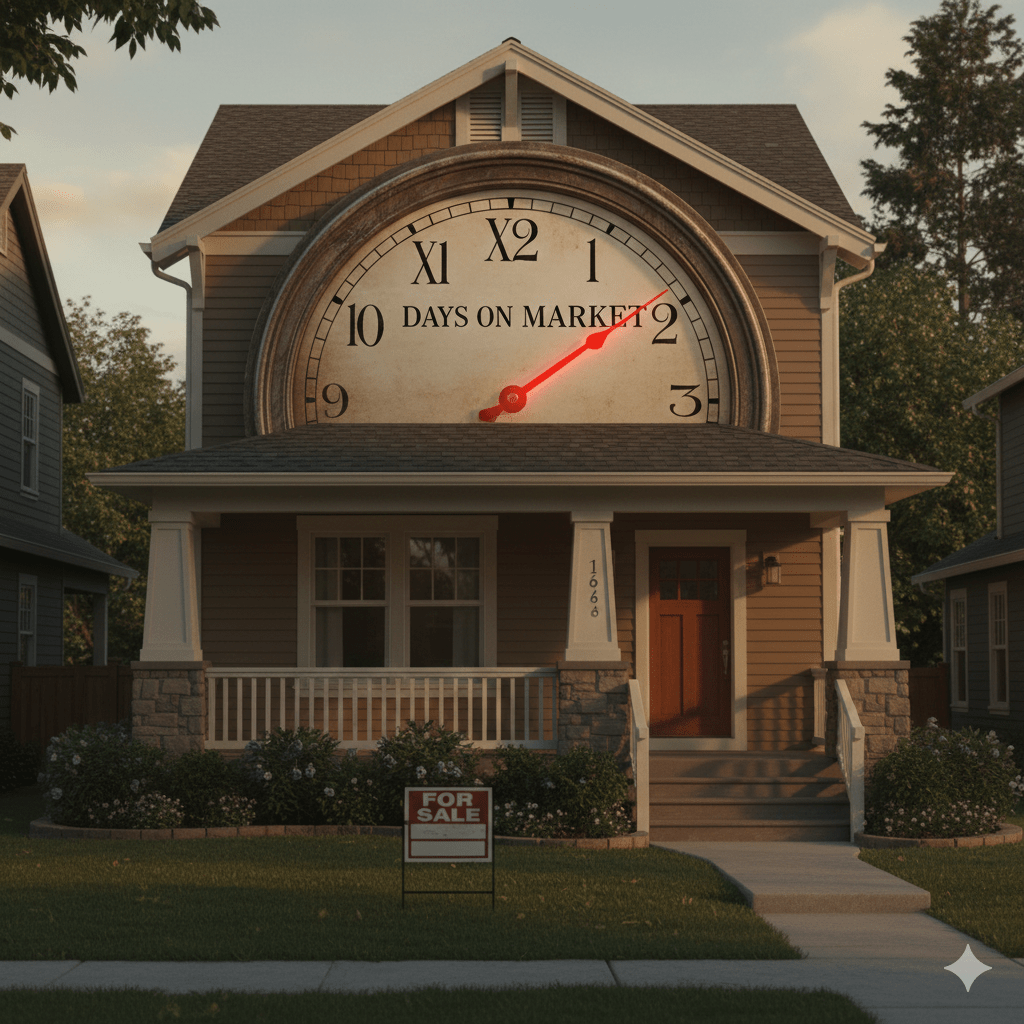
Listings that linger don’t wait for buyers — they train buyers to wait.
INSTITUTIONAL PRESSURE
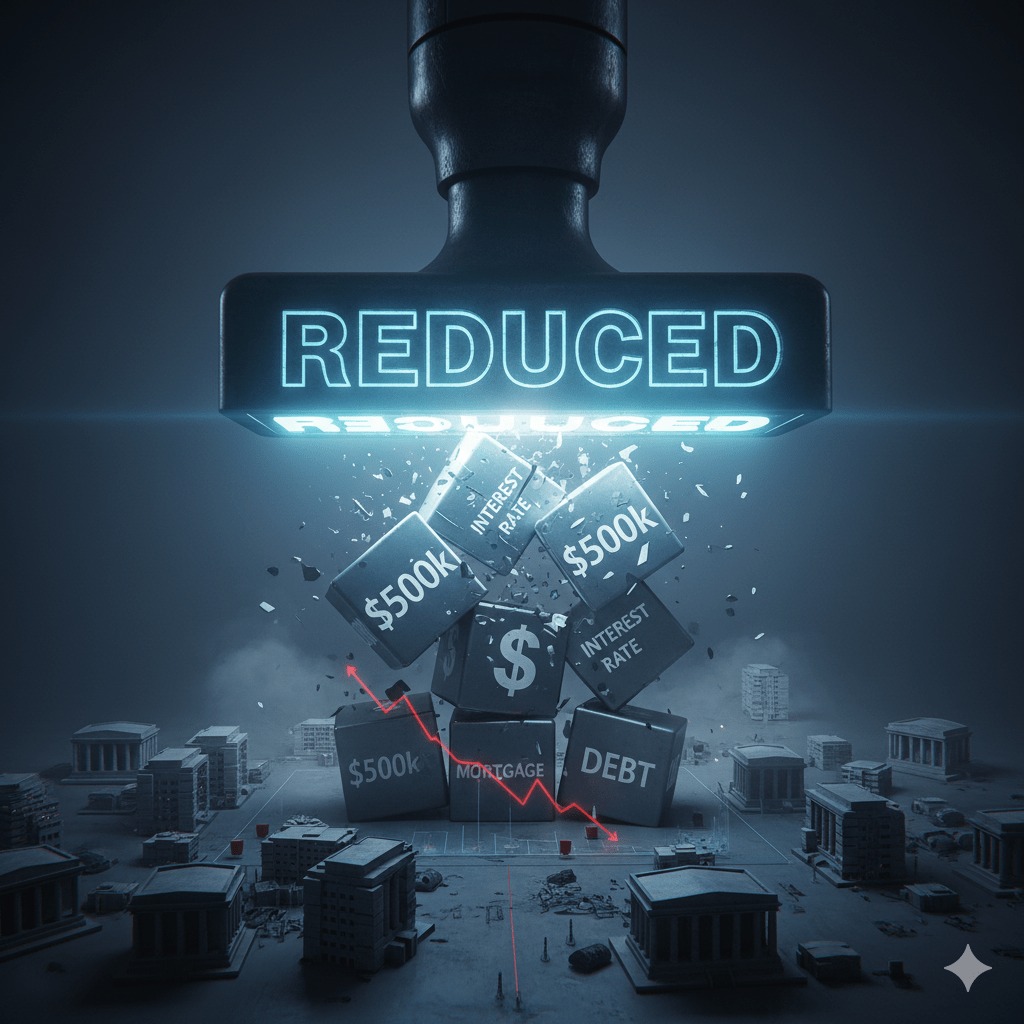
Banks don’t negotiate emotions — they reset neighborhoods through data.
THE CASCADE
One distressed sale quietly recalibrates every appraisal that follows.

BUYER BEHAVIOR
Today’s buyers don’t negotiate overpriced homes — they ignore them.

LOST MOMENTUM
Once a home is skipped, its leverage rarely returns.

THE POWER SHIFT
High inventory doesn’t create panic — it creates patience.

THE GATEKEEPER
Pricing isn’t a tactic — it’s the admission ticket.

PRESENTATION REALITY
If a home fails online, it never reaches in-person judgment.

DISTRIBUTION TRUTH
Exposure is leverage only when it’s intentional and constant.

THE COMPOUND EFFECT
Waiting rarely preserves value — it compounds disadvantage.

THE CORE QUESTION
Are you protecting a number, or protecting an outcome?

THE CLOSE
In this market, urgency isn’t emotional — it’s structural.

 Pre-Construction 24 7