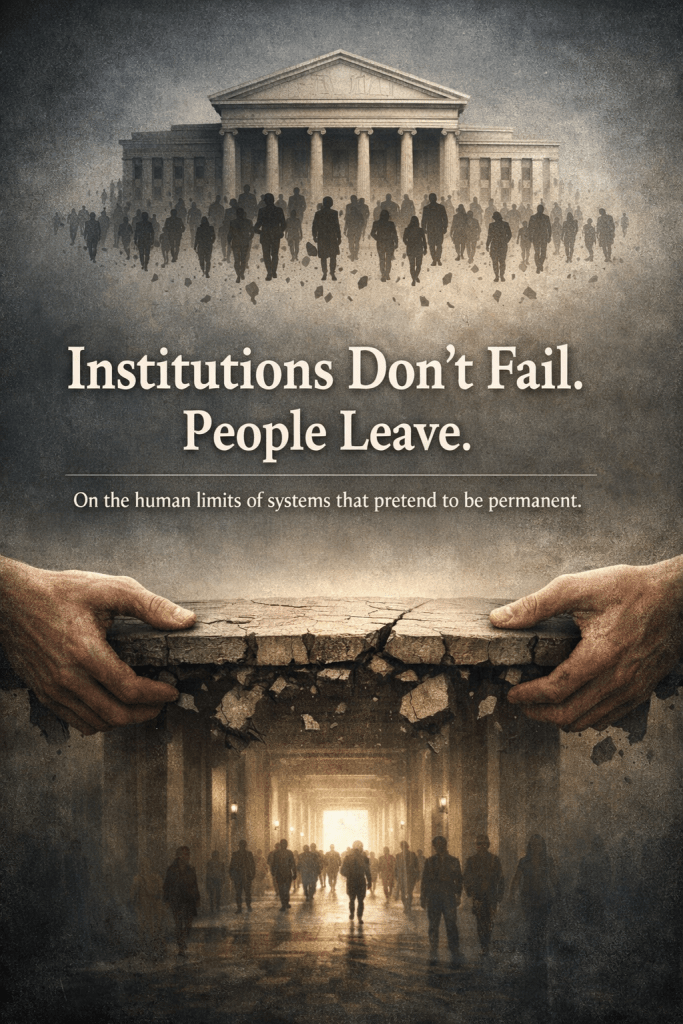
Institutions Don’t Fail. People Leave.
On the human limits of systems that pretend to be permanent.
The Mistake
Institutions are often mistaken for buildings.
They are not architecture. They are agreements.

What an Institution Really Is
An institution is a collection of people
agreeing to follow rules
even when it costs them personally.
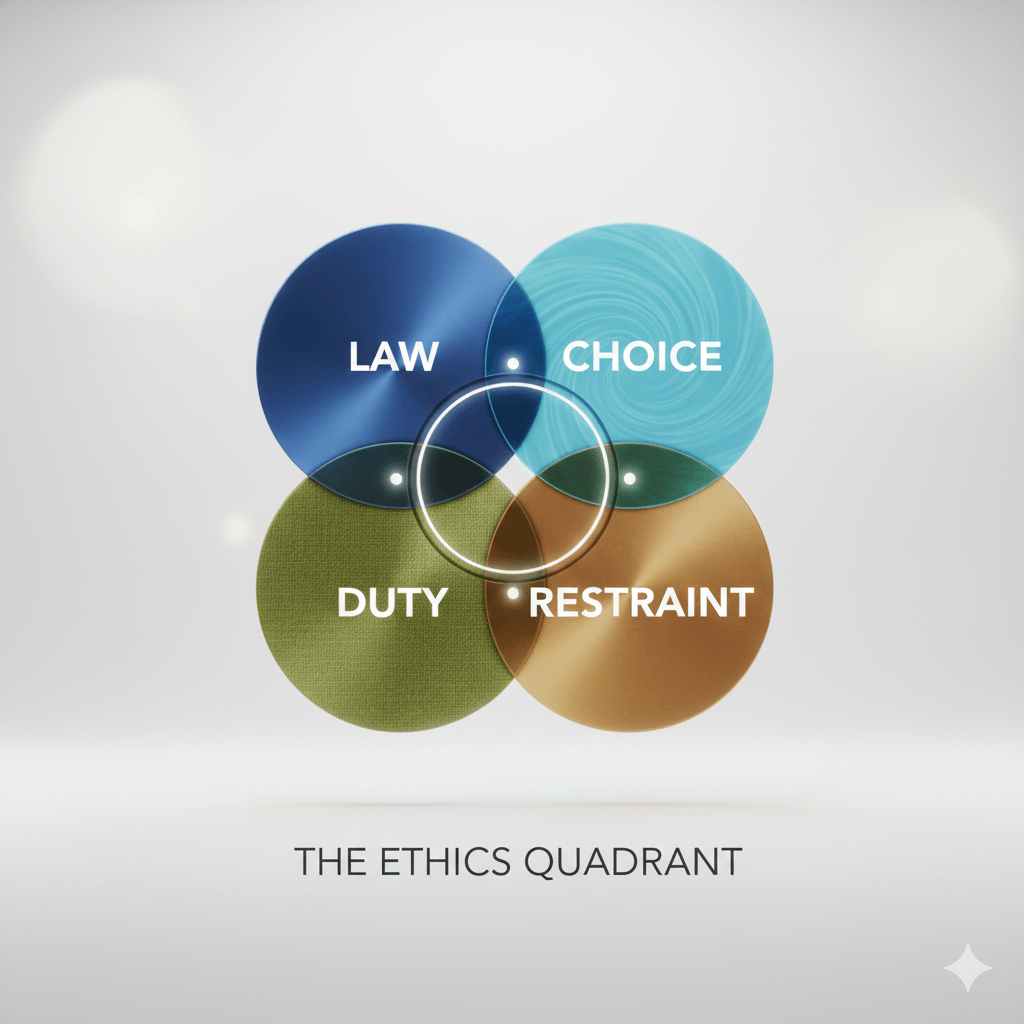
The Hidden Engine
The rule of law does not enforce itself.
It survives because professionals say no when pressured to say yes.
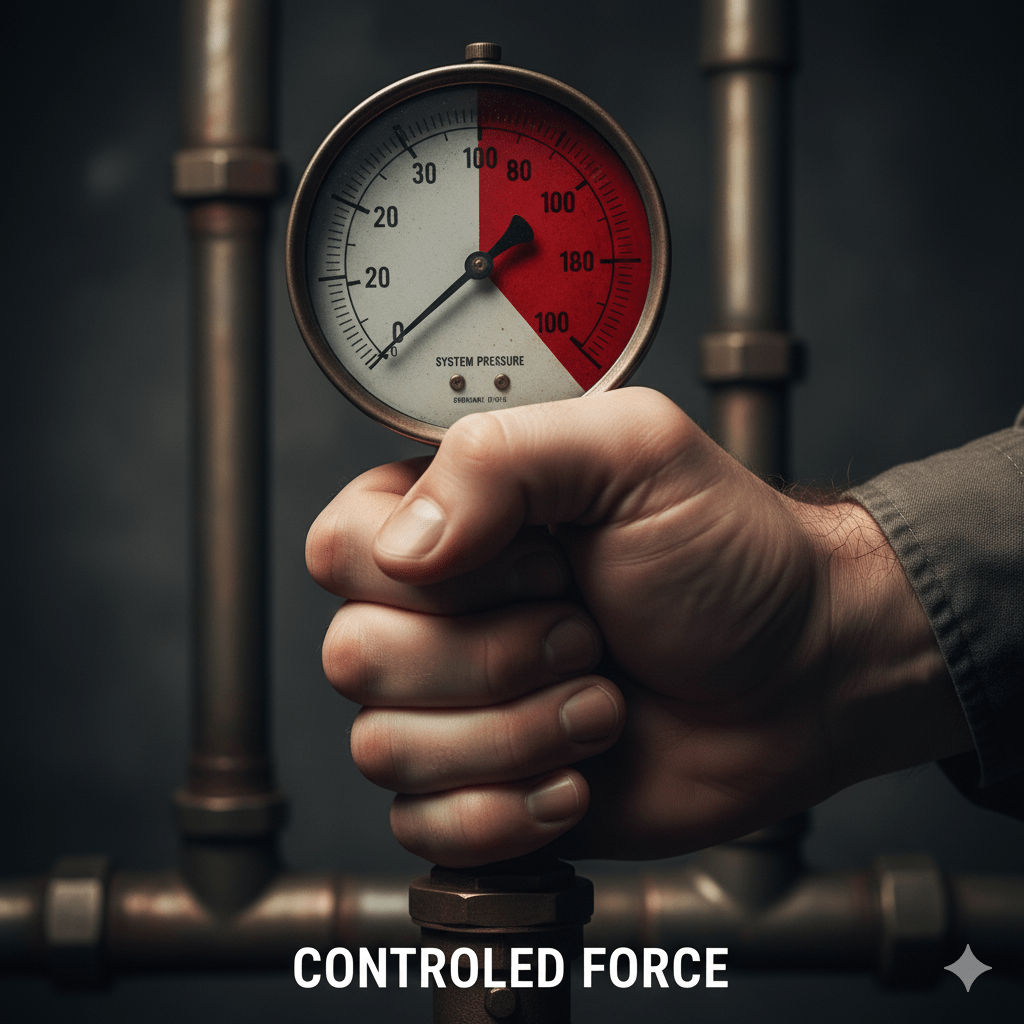
Cost of Participation
Every institution has a participation cost.
When that cost becomes career-ending, moral, or unsafe — people exit.

Collapse Is a Choice
Institutions do not collapse when attacked.
They collapse when people decide staying is worse than leaving.

The Silent Strike
Mass resignation is not chaos.
It is coordinated refusal without coordination.

What the Public Sees
The public sees delays, disorder, confusion.
What actually vanished was enforcement.

Why This Matters
Courts enforce contracts.
Contracts enable markets.
Markets fail when enforcement disappears.
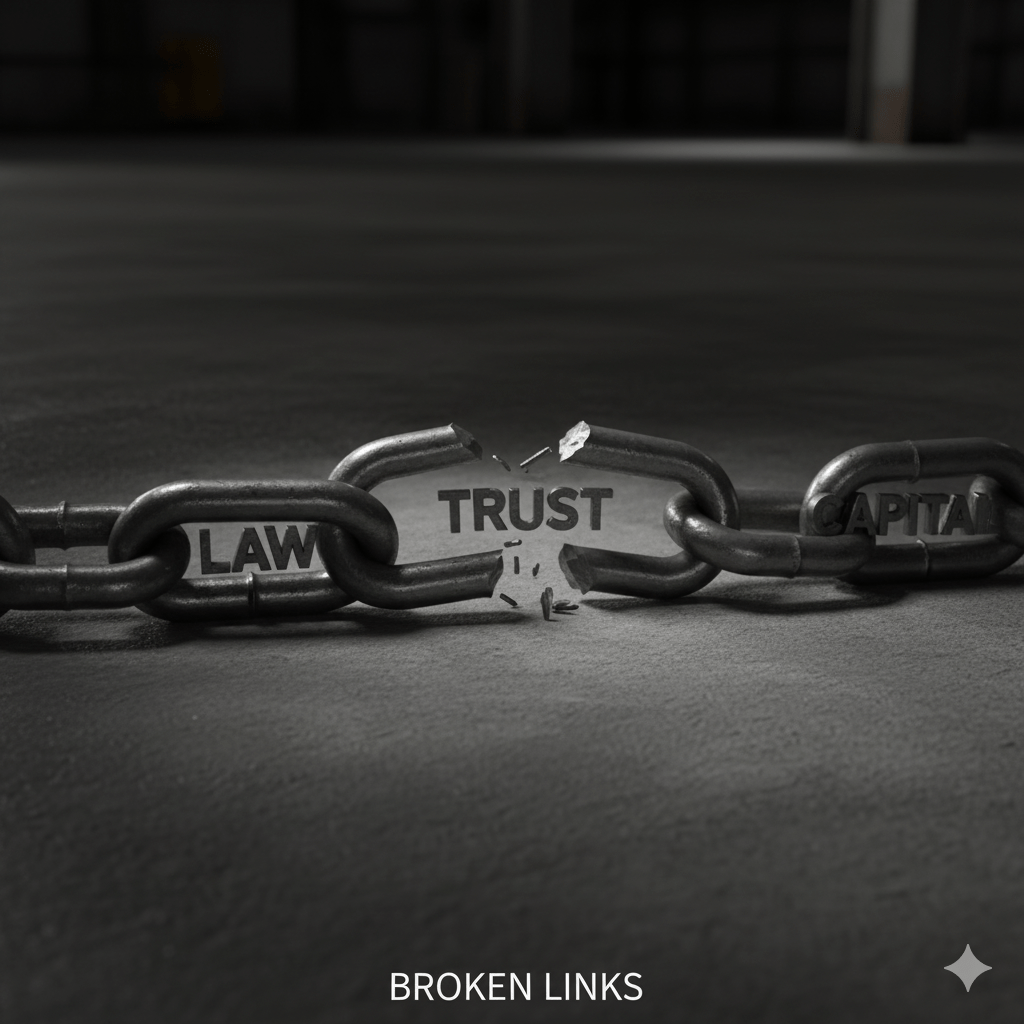
Loyalty vs Competence
When loyalty replaces competence,
Institutions become weapons instead of safeguards.

Replacement Fallacy
You cannot rapidly replace judgment.
You can only replace people with obedience.

The Economic Signal
Capital watches institutions, not speeches.
When rules feel optional, capital prepares to leave.

The Core Truth
Institutions are not magic buildings that run themselves.
They are human beings making choices.
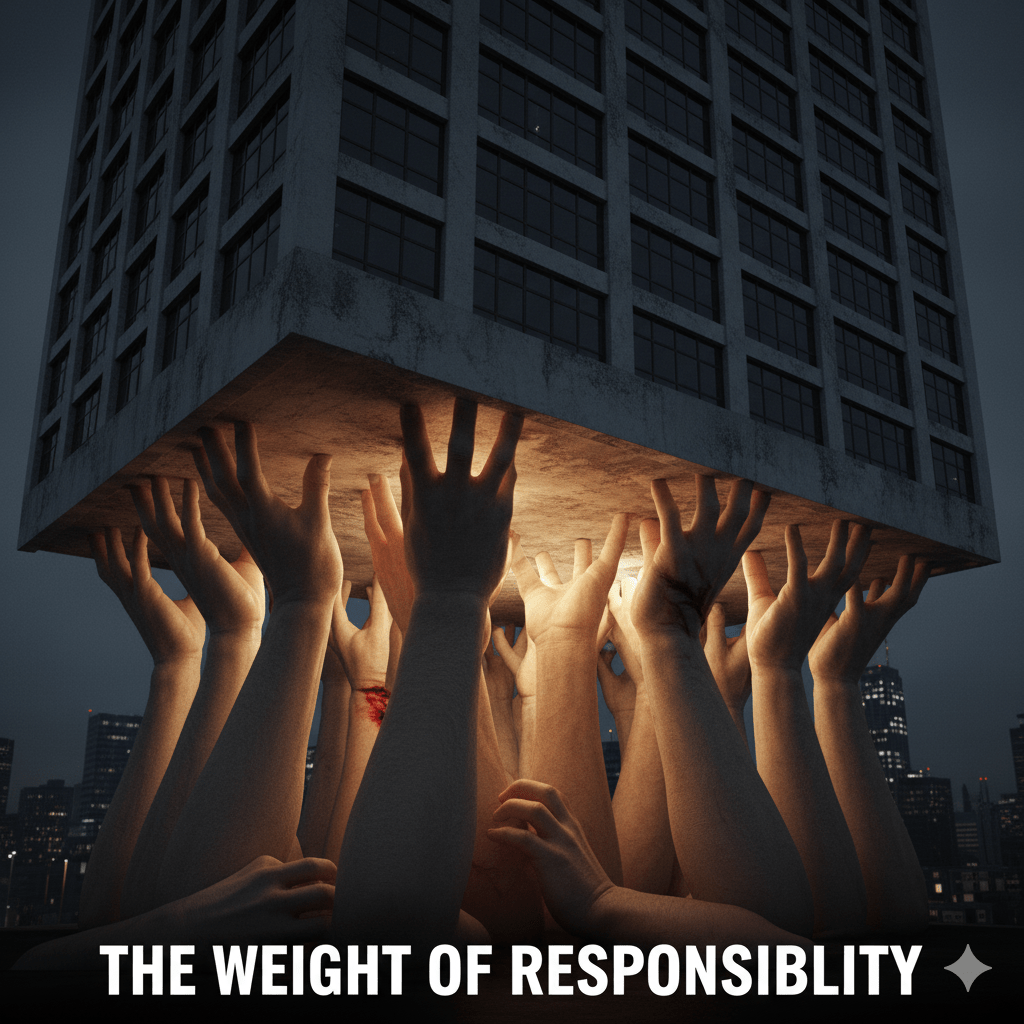
The Breaking Point
When enough people decide the cost of participation is too high,
the institution collapses — instantly.

Final Note
If you want to understand institutional failure,
stop watching leaders — start watching exits.

 Pre-Construction 24 7